While I am worked for on one Ecommerce project I have encountered an interesting SEO issue regarding canonicalization and 301 redirects, and its changed situation completely.
The Setup & Problem:
We changed a URL of the landing Page A (/orange-balloons/) to new URL (/strong-orange-balloons/), content remained identical.
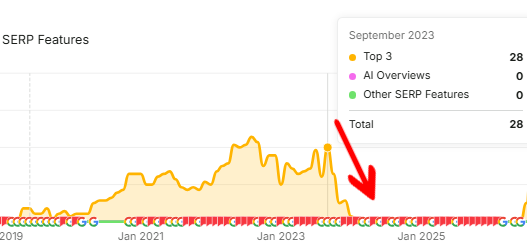
Page A had a strong backlink profile and good rankings (28 top 3 keyword rankings, 200+ referring domains, 1.6K backlinks).
We implemented a standard and SEO friendly 301 redirect and used a self-referencing canonical URL expecting it will soon merge all rankings into the new URL but its not.
<link rel="canonical" href="https://www.example.com/strong-orange-balloons/" />The Issue:
For more than a year, the rankings and link equity failed to consolidate page with new URL. The traffic dropped and stayed lost, and Google seemingly ignored or froze the authority transfer despite the live 301 redirect.
The Fix That Worked:
We kept the 301 redirect in place, but changed the canonical tag to point back to the old, redirected URL (Page A)
So new canonical URL for page https://www.site.com/strong-orange-balloons/ looks like this:
<link rel="canonical" href="https://www.site.com/orange-balloons/"/>The page content remained identical.
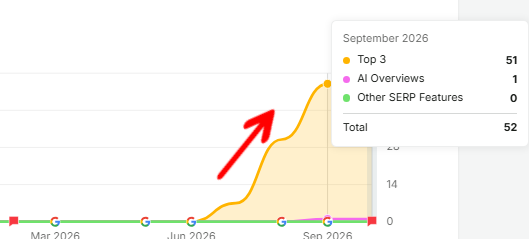
After while, all historical rankings, visibility, and organic traffic returned to the new page and even improved!
Google selected /orange-balloons/ as the core canonical node because of its multi-year history, and strong link profile.
Here is SEMRUSH diagrams showing all fluctuations:
Before url change made and 301 SEO redirect was implemented in October 2023:
After we corrected the page’s canonical URL in November 2025, Google began responding about seven months later, in June 2026. It completed the consolidation in October 2026, with even stronger results.